
The effects of theft on a business can be devastating, whether it comes from the inside or the outside. Burglars, shoplifters, hackers and others on the outside siphon off profits. Some dishonest employees pilfer goods or cash from within. And unscrupulous business partners and managers may use a variety of accounting tricks to mask theft. Businesses on narrow margins are particularly vulnerable, as are companies that deal with a lot of cash on the premises.
Insurance Considerations
Often, business owners rely on their regular commercial property insurance policy to protect them and their companies against crimes such as robbery and theft. But commercial property insurance is limited when the loss is from this type of crime. For example, it generally won’t pay benefits for the theft or loss of cash or securities. Standard insurance policies also typically won’t cover losses due to white collar crimes, such as embezzlement or illegal kickbacks.
Common Commercial Property Insurance Exemptions
Here are some common exemptions from ordinary commercial property coverage:
- Insider theft by employees, managers and other insiders,
- Embezzlement,
- Wire transfer fraud,
- Computer fraud,
- Forgeries,
- Counterfeit currency, and
- Safe cracking.
To be protected against these types of theft, you will need a special policy or rider known as commercial crime insurance. This is particularly important if your business handles a lot of cash or securities, or if you have complicated operations that provide many opportunities for insider theft.
Premiums are generally affordable for most small businesses. This coverage may play a critical role in a company’s ability to pay vendors and landlords, make payroll and preserve its business credit rating in order to function. For small businesses, one incident of employee theft, embezzlement or other fraud could be enough to shut down operations temporarily or permanently.
Preventing Outsider Theft and Robbery
In addition to carrying adequate commercial crime insurance, carriers and security professionals also recommend taking the following steps, at a minimum:
- Reinforce doors and windows using strong locks, external doors, steel frames and deadbolts,
- Ensure lighting is adequate, both inside and outside the store,
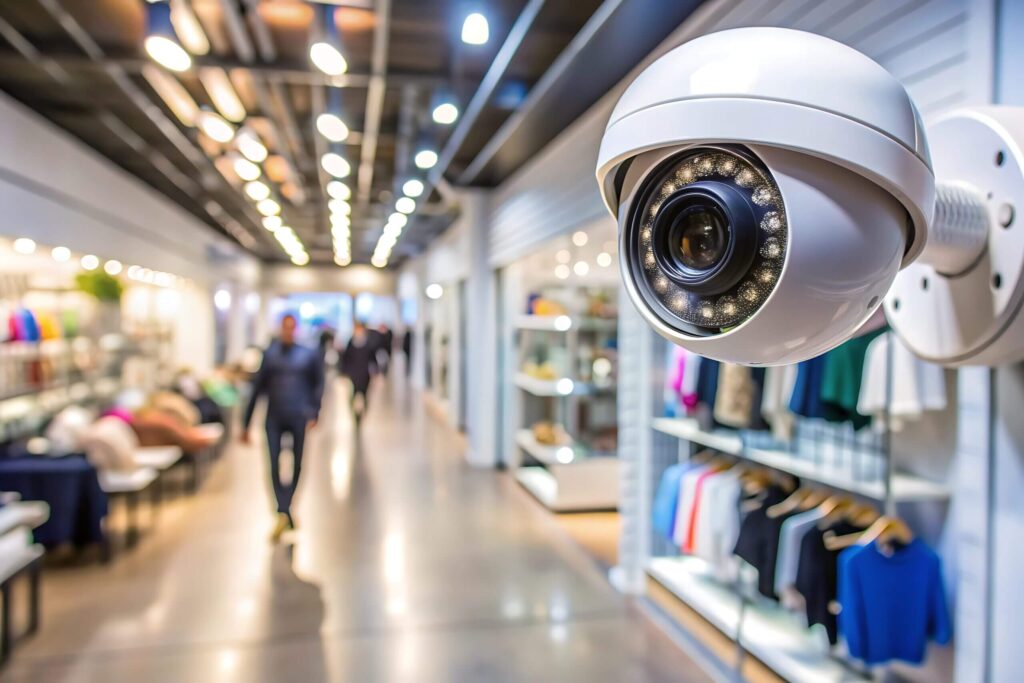
- Install burglar alarm systems, including motion detectors, cameras and other devices. Test them frequently, and back up any video to an offsite server,
- Consider a code-only entry system, card-entry system or other smart access technology for your gates and doors,
- Never leave a back door unlocked from the outside. Don’t let employees prop open doors that should be locked for the sake of convenience,
- Consider installing sliding bars across doorways and sliding or permanent doors or shutters on windows in high crime areas,
- Install burglar-resistant glass.
Preventing Insider Theft
Insider theft is usually more difficult to prevent — and often much more devastating, in terms of total amounts lost. Here are some measures to reduce your business’s vulnerability to insider theft or embezzlement:
- Provide a way for employees to report suspicious behavior anonymously,
- Reward employees who help identify or stop thieves,
- Establish and enforce strict accounting controls, including frequent audits and crosschecking,
- Develop cash office procedures,
- Rotate cash office duties so the same employees aren’t counting cash every night without being checked,
- Install security cameras watching the register and safe areas,
- Insist on all sales going through your point-of-sale system, without exception.
To learn more about the commercial crime insurance options available to you, or for a policy review, ask your commercial insurance agent for a consultation.